Helping Visa Foundation Turn Partnership Impact Into Human Stories Across Mexico And Nigeria


Brief
Visa wanted to show the impact of the Visa Foundation, its philanthropic arm. The Visa Foundation supports inclusive economies by backing organisations that help entrepreneurs, small businesses and underserved communities around the world thrive.
The Visa Foundation Stories showcase partnerships through real entrepreneur stories.
Across Mexico and Nigeria, the brief was to create human-centred case study films. Each story shows how the Visa Foundation’s partners were helping entrepreneurs build stronger businesses.
The films needed to work across several formats. These included long-form video, social cutdowns, blog content and one-page case studies.
RESPONSE
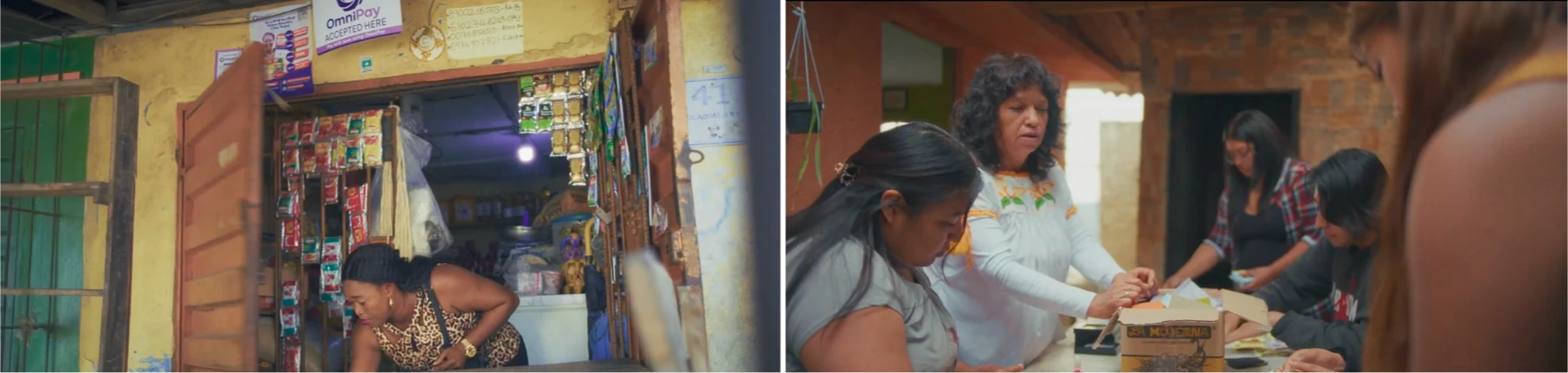
Each film had several layers: Visa Foundation, a partner organisation, a platform or portfolio company, and the entrepreneur at the centre of the story.
The films had to explain that ecosystem simply. But they also had to stay emotional and human.
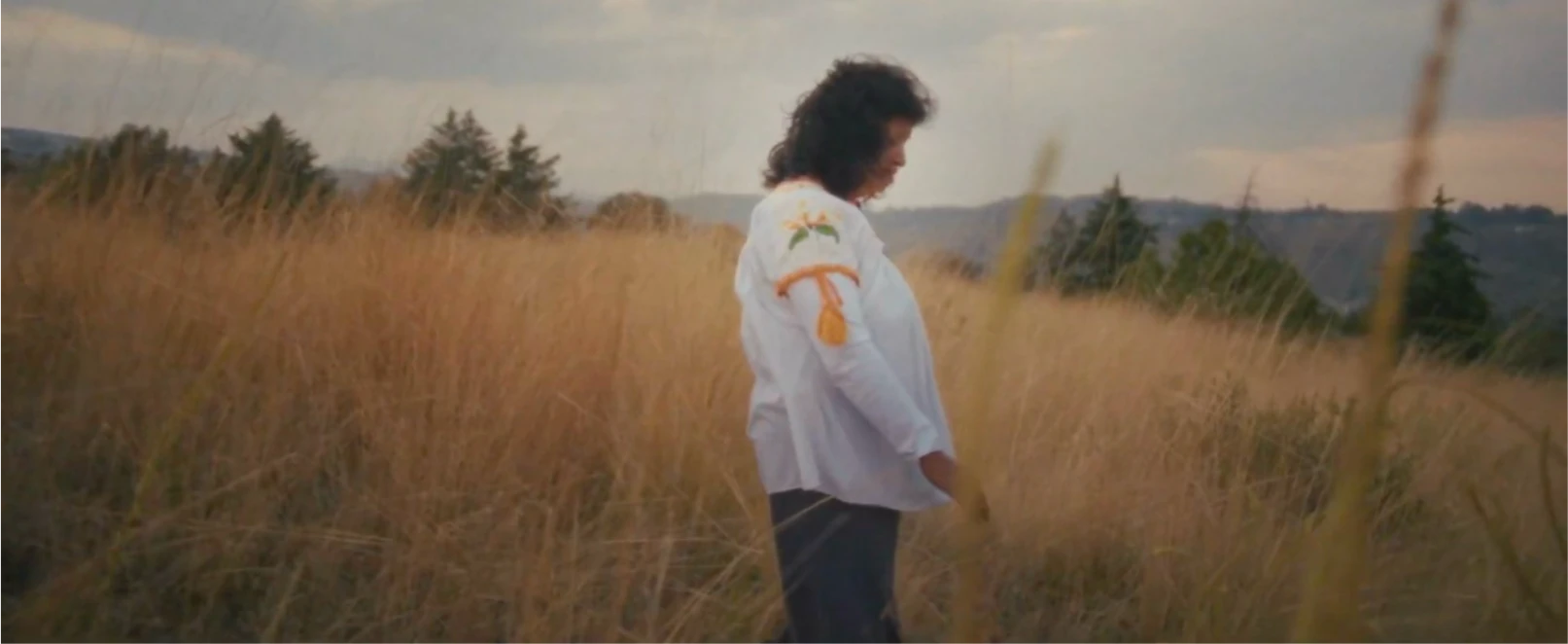
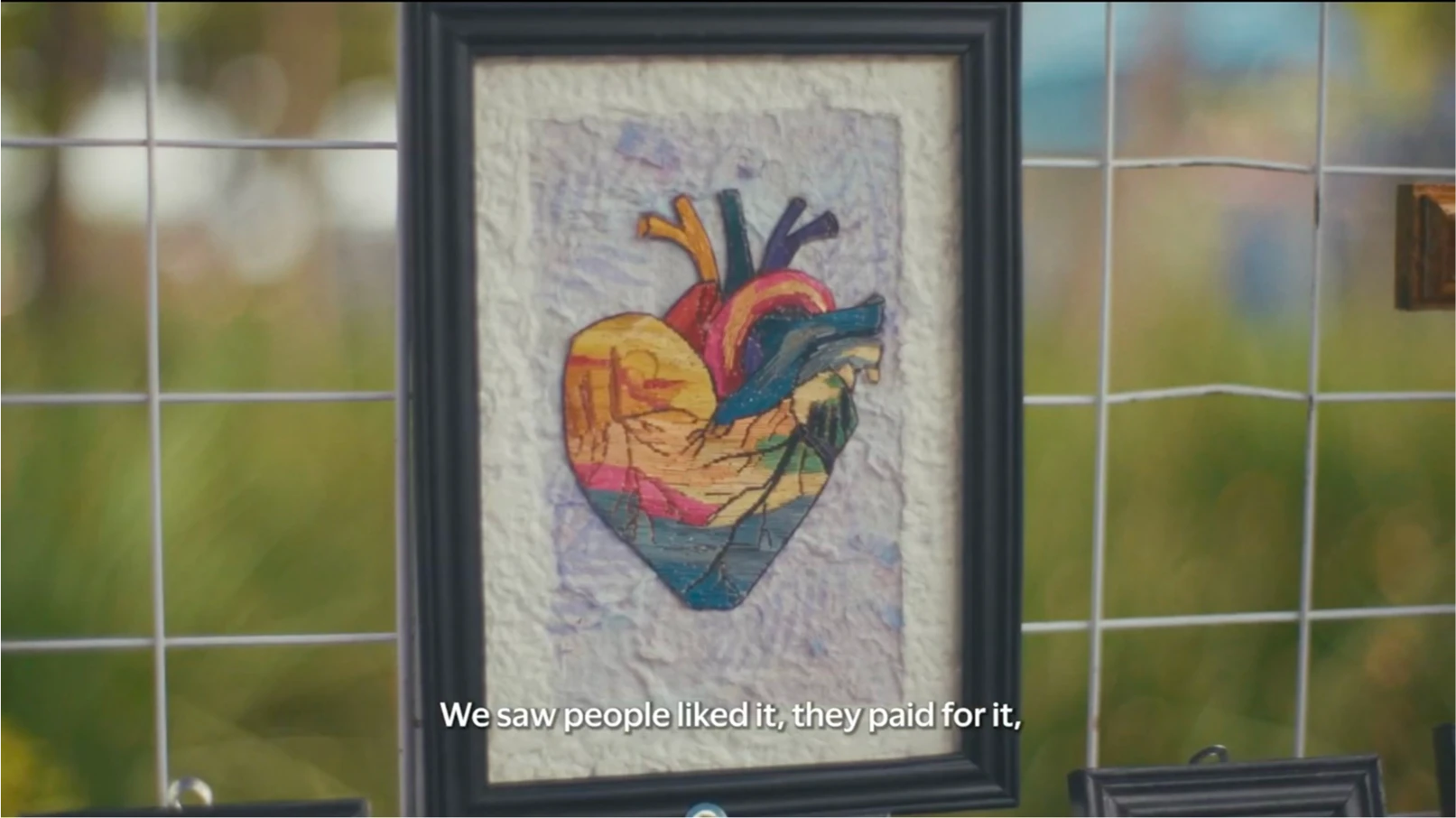
For Mexico, the risk was focusing too much on María Elena’s art. Her popotillo work was beautiful and rich in culture. But the story also had to show her business growth.
The film needed to connect the entrepreneurs to the practical value of the partner organisation, and each connection had to feel natural.
The work also had to meet Visa Foundation’s brand, accessibility and review requirements.
PROCESS & COLLABORATION
Click2View shaped both films around the entrepreneur, and the issues they faced in their current business systems.
Then the films widened the lens and showed how the Visa Foundation’s partner organisations supported the profiles and they challenges they faced.
Across both films, Click2View developed the story structure, interview flow and edit approach. We kept the stories grounded, while making the partnership model easy to follow.
OUTCOME
The result was a multi-market storytelling package for Visa Foundation.
The films made the partnership impact easy to follow. They led the narrative with lived experiences instead of programme language.
In Mexico, the story showed a craftswoman turning her art into a more sustainable business.
In Nigeria, the story showed a shop owner gaining back time, customers and control.
Together, the films gave Visa Foundation human-centred content for stakeholder conversations, owned channels and public storytelling.
They showed inclusive growth not as an abstract idea, but as something people can see in the daily lives of entrepreneurs.